 Available in US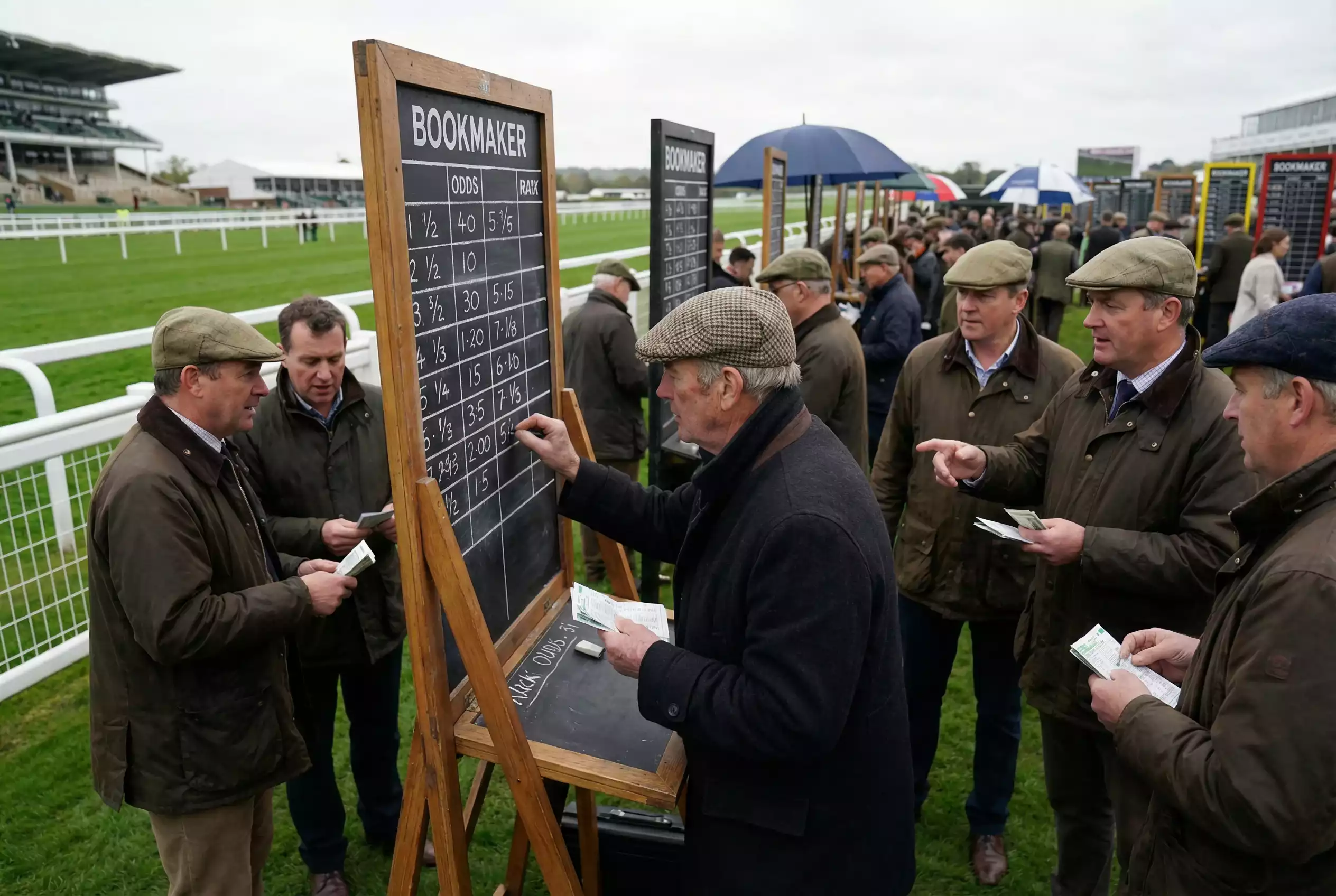
Introduction
There’s something visceral about standing in the betting ring at a British racecourse. The chalk boards, the tic-tac signals, the bookmakers calling out prices — it’s a sensory experience that no app can replicate. Despite the mobile betting revolution, on-course wagering retains a loyal following and offers advantages that digital alternatives simply cannot match.
British racing attracted 5.031 million racegoers in 2025, a 4.8% increase on the previous year. Many of those visitors placed bets with on-course bookmakers, experiencing a form of betting that dates back centuries. The Grand National exemplifies this traditional engagement — around 82% of cash bets on the race are for £5 or less, reflecting the casual, recreational nature of on-course punting.
For first-time racegoers, the betting ring can feel intimidating. The terminology, the rapid pace of transactions, and the unwritten rules of engagement create barriers for newcomers. Understanding how on-course betting works transforms the experience from nerve-wracking to genuinely enjoyable.
On-Course Betting — More on this topic at horse racing bets explained.
Bookmakers vs Tote Windows
Two distinct betting systems operate at every British racecourse: the ring bookmakers who offer fixed odds, and the Tote windows running pool bets. Each has advantages, and experienced racegoers use both depending on circumstances.
Ring bookmakers — the layers standing behind their coloured boards — offer fixed odds at the moment you place your bet. What you see is what you get. If the board shows 5/1 and you back a horse at those odds, you’ll be paid at 5/1 regardless of how the market moves afterwards. This certainty has value, particularly on horses whose prices might shorten before the off.
The rails bookmakers occupy a specific position closest to the racecourse rails, typically offering the largest maximum bets. These pitches command premium prices at the annual auctions, and the layers stationed there generally cater to professional punters and large stakers. For casual bettors, the ring bookmakers further back offer the same service at identical odds in most cases.
Tote windows operate Britain’s pool betting system. Rather than fixed odds, your stake joins a pool with all other bettors. Deductions are taken, and the remaining pool divides among winning tickets. You won’t know your return until after the race, when the dividend is declared.
The Tote tends to offer better value on outsiders and in large-field races where the crowd underestimates certain horses. Conversely, short-priced favourites often return less through the Tote than fixed-odds bookmakers. Pool bets also include exotic options like the Placepot and Quadpot, unavailable from ring bookmakers.
Enclosure positioning affects your betting options. The main betting ring typically sits in Tattersalls or the equivalent middle enclosure. Premium enclosures may have their own bookmakers at slightly higher minimum stakes. The cheaper enclosures sometimes offer limited on-course betting facilities, with visitors relying primarily on Tote windows.
Some racegoers alternate between bookmakers and Tote throughout the day, comparing available odds and dividends to identify the best value for each race. Others prefer the simplicity of sticking with one system. Neither approach is wrong — it’s about matching your betting style to the opportunities available.
How to Place a Bet On-Course
Approach the bookmaker’s pitch and wait for acknowledgement. Bookmakers process punters quickly, but trying to place a bet while they’re mid-transaction with someone else is poor form. A moment’s patience gets you proper attention.
State your bet clearly: stake first, then bet type, then horse. For example: “Ten pounds win on number four” or “Five pounds each way on Barton Knoll.” Using the horse number rather than name reduces confusion — there’s no mistaking “number seven” in a noisy betting ring. If you want to back a horse at the specific price displayed, say “Ten pounds to win on number four at six to one” to lock in that price.
Hand over your cash. On-course bookmakers deal almost exclusively in cash. Card payments are rare in the traditional ring, though some larger operators now offer them at quieter tracks. Have notes ready — fumbling for exact change while the odds are moving creates unnecessary pressure for everyone.
Receive your ticket. This physical betting slip is your only proof of the wager. Check it immediately: horse number, stake, odds, race number, and meeting should all match your verbal instruction. Mistakes happen, particularly when multiple punters crowd around, and the time to correct errors is before you walk away.
Keep the ticket safe until the race concludes. Many racegoers photograph their tickets immediately as backup, though the physical slip remains the primary settlement document. Some regular on-course punters use ticket wallets or dedicated pockets to organise bets across a day’s racing.
Collect your winnings promptly. Winning tickets can be cashed at the same bookmaker who issued them, ideally before the next race when things calm down. Simply approach, hand over the ticket, and receive your payout. Some bookmakers pay from a cash float in hand; others retrieve winnings from a secure box. Either way, count your cash before leaving the pitch.
At Tote windows, the process is simpler. State your bet to the operator, pay, and receive a printed ticket. Settlement happens automatically through the Tote system — return to any Tote window on the course to collect winnings or check dividends.
Tips for First-Time Racegoers
Bring more cash than you expect to spend. ATMs at racecourses exist but often queue deeply on busy days and sometimes charge fees. Having enough cash for planned betting plus a buffer for additional races, food, and drinks makes the day run smoothly.
Compare prices before committing. Different bookmakers in the same ring frequently show different odds on the same horse. A quick walk along the line before approaching reveals which layer offers the best value for your selection. Price differences of a point or more are common, particularly on horses moving in the market.
Understand shouted place terms. Bookmakers call out terms like “four places for one fifth” on big-field handicaps, indicating they’ll pay on more positions than the standard place terms. These enhanced places represent genuine value for each-way punters, though you’ll need to catch the announcement before it’s withdrawn.
Watch for board wipes. When odds change significantly, bookmakers erase and rewrite their boards. A horse showing 8/1 one minute might be 5/1 the next if money comes for it. If you want a specific price, don’t hesitate — back it before it disappears.
Start with simple bets. Win singles and each-way bets give you the full on-course experience without complexity. Save exotic multiples and cover bets for when you’re comfortable with the basic rhythm of betting ring transactions.
Learn the tic-tac basics. The hand signals used between bookmakers contain genuine market information. While learning the complete system takes years, recognising a few key signals — particularly those indicating which horses are being backed heavily — adds a layer of insight unavailable through apps.
Respect the etiquette. Don’t lean on bookmakers’ pitches, don’t argue loudly about losing bets, and don’t celebrate ostentatiously when winning. The betting ring operates on mutual respect between layers and punters, and maintaining that atmosphere keeps the experience enjoyable for everyone.
Finally, pace yourself. A day at the races typically includes six or more races across several hours. Betting every race at the same intensity depletes both bankroll and attention. Identify one or two races where you have genuine opinions, bet those properly, and treat the others as entertainment rather than opportunities.
See also Extra Places Offers.
