
 Available in US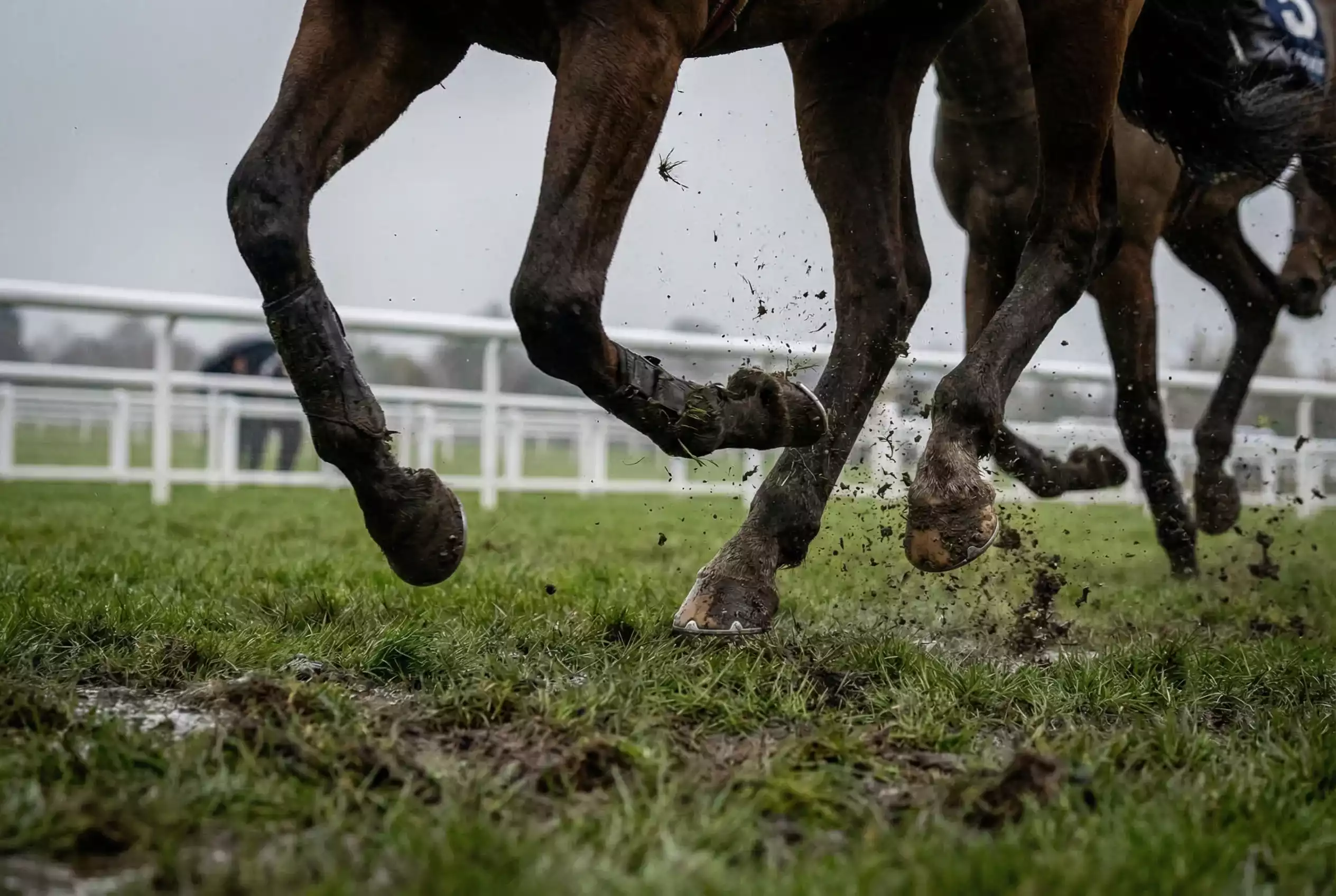
Going describes the ground conditions on which a race takes place. It sounds simple—is the track soft or firm?—but the implications ripple through every aspect of horse racing betting. Some horses thrive in heavy mud, powering through conditions that exhaust their rivals. Others need fast ground to show their best, their action becoming laboured when the going turns soft. Ignoring ground conditions when assessing a horse’s chances means ignoring one of the most predictive variables available.
British racing operates year-round across 59 licensed racecourses, and ground conditions vary enormously by season, location, and recent weather. As BHA Director of Racing Richard Wayman noted, “The horse population continues to decline and the betting environment remains challenging,” making quality assessments of available runners increasingly important. Racegoers numbered 5.031 million in 2025—up 4.8 percent year-on-year—and many of them placed bets on horses suited to the prevailing conditions while others backed horses whose best form came on entirely different ground.
This guide explains the going scale, how different ground affects different horses, and how to factor going into your betting decisions.
Horse Racing Going Explained — More on this topic at horse racing bets explained.
The Going Scale
British racing uses a descriptive scale from firmest to softest. The official going is determined by the clerk of the course using a combination of equipment readings and judgment, typically updated on race morning and sometimes during the meeting if conditions change.
Hard
The firmest official going, rarely used on turf in Britain because it risks injury. Hard ground has almost no give, jarring horses’ legs with every stride. When going is declared hard, trainers often withdraw horses to protect them. You’ll see this occasionally during prolonged summer droughts.
Firm
Fast ground with minimal cushion. The ball bounces rather than sinks when dropped. Favours horses with low, economical actions who don’t need to lift their knees high. Some trainers avoid firm ground entirely, particularly for jumping, due to concussion risk.
Good to Firm
The standard summer going on well-maintained turf. Quick but with some give. Most horses handle good to firm without issue, though those needing soft ground will find it too fast. Often abbreviated as GF on form guides.
Good
Ideal conditions for most horses. Neither firm nor soft, providing a fair test. Good ground is the baseline against which most horses’ abilities are measured. Prize money reached a record £194.7 million in 2025, with much of that contested on good ground during the flat season.
Good to Soft
Starting to have noticeable give. Horses need to handle a bit of dig, and those with an aversion to soft will start to struggle. Autumn racing often rides good to soft as rains arrive after dry summers.
Soft
Significant moisture in the ground. Each stride requires more effort, favouring strong stayers with powerful actions. Some horses love it; others hate it. National Hunt racing through winter frequently produces soft ground.
Heavy
Saturated ground where horses sink noticeably. Extremely testing, turning races into stamina battles. Heavy ground often produces surprise results as class becomes less important than ability to handle the mud. Cheltenham in March can turn heavy after sustained rain, transforming certain races.
Variations like “soft to heavy” or “good to soft in places” indicate inconsistent conditions across the track. Check where softer patches lie—often on the inner rail or in well-worn areas—as jockeys may steer around them.
How Going Affects Horses
Ground preference isn’t random. Physical characteristics determine which conditions suit a horse, and these preferences tend to remain consistent throughout a career.
Action and Conformation
Horses with round, knee-lifting actions handle soft ground better. The high knee lift clears the sticky surface, maintaining efficiency through heavy conditions. Horses with low, daisy-cutting actions—where feet barely lift off the ground—excel on fast surfaces where this economical movement conserves energy. Put a daisy-cutter on heavy ground and it flounders, struggling to extract its feet from the mud.
Conformation provides clues. Horses with sloping pasterns (the joint between hoof and fetlock) often handle give in the ground better, their angles absorbing shock. Those with upright pasterns prefer firmer footing. Big, powerful horses with strong hindquarters often relish soft ground, while lighter, speedier types typically want it quick.
Stamina Implications
Soft and heavy ground saps stamina. A horse that stays two miles on good ground might fail to get home over the same distance on soft. The additional effort required per stride accumulates, and horses often tire faster than their previous form would suggest. When assessing a horse’s stamina credentials on testing ground, add a mental furlong or two to their proven distance.
Conversely, firm ground favours speed. Races tend to run faster, placed horses finish closer together, and stamina matters less. A horse that lacks the finishing kick on good ground might find enough pace to hold rivals at bay when everything runs faster.
Breeding Indicators
Certain sires produce offspring with distinct ground preferences. If a stallion’s progeny consistently perform better on soft ground—check statistics available through racing databases—his offspring likely inherit that preference. Dam-sire influence matters too. When assessing a lightly raced horse with limited personal form on particular ground, breeding offers guidance on likely preference.
The practical application is straightforward: match horses to conditions. A horse with a form profile showing “soft” or “heavy” next to its best runs faces a different test on summer-baked firm ground. The form figures might look attractive, but the context undermines them.
Betting on Going Changes
Going information arrives in stages. Initial going reports appear days before racing, but conditions can shift dramatically. A savvy bettor monitors forecasts and adjusts plans accordingly.
Weather Watching
Check the forecast for the racecourse location, not just the general regional weather. Localised showers can transform conditions in hours. Overnight rain following a dry week might change good to firm into good to soft by post time. Wind and temperature matter too—strong winds dry surfaces quickly, while cool, still conditions preserve moisture.
Some punters wait for morning inspections before committing stakes, accepting shorter prices for confirmed conditions rather than betting blind on forecast hopes. Others bet early, securing longer prices on horses whose favoured conditions may or may not materialise. Both approaches have merit depending on confidence levels and price sensitivity.
Non-Runner Implications
When going changes significantly, trainers withdraw ground-dependent horses. A switch from good to soft might remove several fast-ground specialists, reshaping the race dynamics. These withdrawals can affect your betting in two ways: directly, if your selection doesn’t run (check non-runner refund policies), or indirectly, if a key rival withdraws, improving your selection’s chances.
Monitor declared runners against going changes. If a race originally featured 16 runners but three withdraw after a going update, the remaining field may be stronger ground-suited, and your selection’s place chances shift accordingly.
Starting Price Movement
Markets react to going information. A horse known to excel on soft ground will shorten when the ground turns in its favour. Horses with firm ground preferences drift when rain arrives. These movements happen quickly once going updates are published. If you have strong views on ground-dependent horses, betting before official updates locks in better prices—though it carries risk if conditions don’t develop as expected.
The key principle: going is rarely neutral. It favours some horses and hinders others. Understanding which is which, and reacting faster than the market adjusts, provides edge that pure form analysis cannot replicate.
See also Jockey & Trainer Stats.
