
 Available in US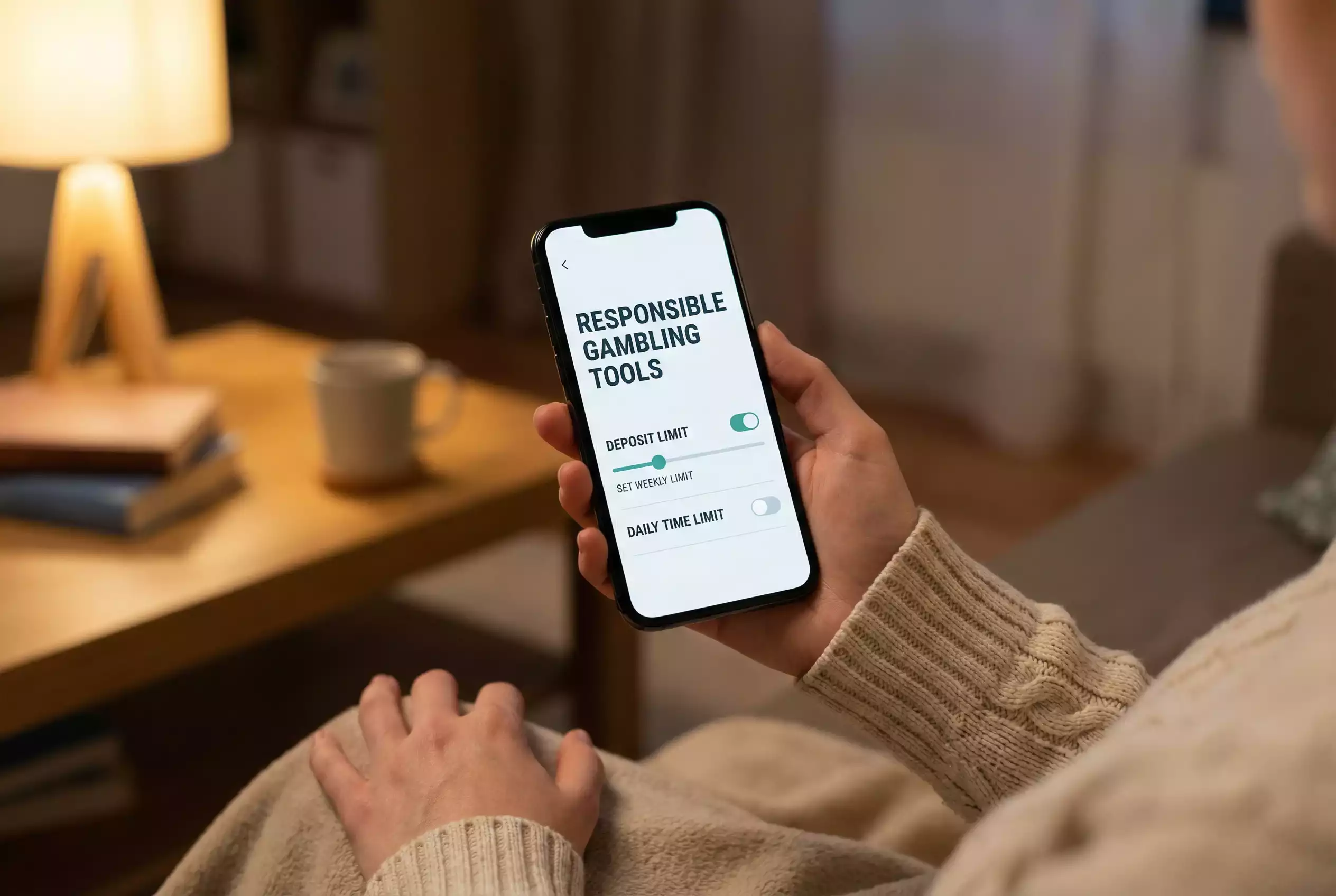
Betting on horse racing should be entertainment—an added dimension to watching races, a reason to follow form, a social activity shared with friends. For most people, it stays that way. According to Gambling Commission data, 47 percent of UK adults participated in some form of gambling, the majority without problems.
But for some, betting crosses a line from recreation into compulsion. When the flutter becomes a need rather than a choice, when stakes exceed what you can afford, when hiding bets from family becomes normal—these signal that entertainment has become something else. Recognising that line, and knowing what resources exist if you cross it, matters for every bettor.
This guide covers practical tools for staying in control: setting limits that prevent problems before they start, recognising warning signs that suggest betting has become unhealthy, and accessing UK support resources designed to help. As Grainne Hurst, CEO of the Betting and Gaming Council, noted: “Punters are clear, betting is not just a leisure activity, but a valued and long-standing part of Britain’s cultural and sporting landscape.” Keeping it a valued activity—rather than a damaging one—requires honesty and, when needed, help.
See also Latest Betting News & Sports Betting Updates.
Setting Personal Limits
Prevention works better than cure. Setting limits before problems develop keeps betting within boundaries that preserve both your finances and your enjoyment.
Deposit Limits
Every licensed UK bookmaker allows you to set deposit limits—maximum amounts you can add to your betting account within a given period. These can be daily, weekly, or monthly. Once set, they apply immediately and cannot be increased without a cooling-off period (typically 24-72 hours). Setting a deposit limit that matches your discretionary entertainment budget—money you could spend on any leisure activity without financial consequences—prevents betting from eating into essentials.
The process varies slightly between operators, but all provide deposit limit options in account settings or responsible gambling sections. Choose a realistic figure, not an aspirational one. A limit that’s too high provides no meaningful protection.
Loss Limits
Separate from deposits, loss limits cap how much you can lose before the account locks you out of further betting. This catches situations where deposited funds win initially but then chasing those wins leads to losses. Loss limits provide a secondary brake that deposit limits alone miss.
Time Limits
Session time limits force breaks after continuous betting periods. Reality checks—notifications that appear after set intervals—remind you how long you’ve been active and prompt conscious decisions about continuing. These interruptions matter more than they might seem; problem gambling often involves losing track of time spent betting.
Stake Limits
Maximum stake limits prevent single large bets that could damage your bankroll regardless of deposit limits. If your deposit limit is £100 weekly, but you can stake £100 on a single bet, one bad decision wipes out the week’s budget. Some operators allow you to cap individual bet sizes at lower amounts.
Using Limits Effectively
Set limits when you’re thinking clearly—not after a bad run when emotions cloud judgment. Review them periodically but resist reducing limits impulsively. Limits work because they constrain future behaviour when you might not be thinking as clearly as you are now.
Warning Signs
Problem gambling rarely announces itself dramatically. It develops gradually, with each step feeling manageable until the accumulation becomes overwhelming. Recognising early warning signs—in yourself or others—enables intervention before serious harm occurs.
Chasing Losses
The defining behaviour of problem gambling: losing money, then betting more to win it back, often at longer odds or higher stakes. Chasing losses rarely works mathematically—the same edge that caused initial losses continues—and the pattern accelerates into deeper holes. If you notice yourself thinking “one more bet to get back to even,” stop. That thought is a warning, not a strategy.
Betting Beyond Means
Betting money needed for bills, rent, food, or other necessities. Using credit to fund gambling. Borrowing from family or friends for betting purposes (often disguised as other needs). Selling possessions to generate betting funds. Any of these indicates betting has exceeded entertainment into financial harm.
Hiding Betting
Concealing bets from partners, family, or friends. Lying about wins (exaggerating) or losses (minimising). Feeling shame or guilt about betting that you’d rather hide than discuss. Secrecy often signals recognition, at some level, that the behaviour has become problematic.
Preoccupation
Constant thoughts about betting when not betting. Planning the next bet during work, meals, or time with family. Irritability when unable to bet. Betting as the primary emotional response to stress, boredom, or celebration.
Self-Assessment
Organisations like BeGambleAware offer confidential self-assessment tools that help evaluate your relationship with gambling. These take minutes to complete and provide honest feedback based on behavioural indicators. If you’re questioning whether your betting has become problematic, completing a self-assessment costs nothing and provides clarity.
Approximately £10 million is lost annually to unlicensed gambling operators who lack the responsible gambling tools that legitimate bookmakers provide. Using licensed operators at least ensures access to limits and support that unregulated alternatives don’t offer.
UK Support Resources
If you recognise warning signs in yourself—or someone asks for help—multiple UK organisations provide free, confidential support. Each serves slightly different needs.
GamStop
GamStop provides a free self-exclusion scheme that blocks you from all UK-licensed online gambling sites. Registration takes minutes and applies immediately. You choose the exclusion period: six months, one year, or five years. During this time, licensed operators are legally required to refuse your custom. GamStop covers online betting only; it doesn’t affect betting shops. Visit gamstop.co.uk to register.
Self-exclusion works best as one part of a broader response. Blocking access removes temptation but doesn’t address underlying causes. Combine GamStop with support services for maximum effectiveness.
BeGambleAware
The national information and support service for gambling harm. BeGambleAware operates a website with resources, tools, and guidance at begambleaware.org. They provide treatment referrals, self-assessment tools, and connections to other services. Not a treatment provider themselves, but a gateway to finding appropriate help.
National Gambling Helpline
Freephone 0808 8020 133, available 24 hours, 7 days. Speak confidentially with advisors who understand gambling problems. The helpline can provide emotional support, practical advice, and referrals to treatment services. Calling doesn’t commit you to anything; it’s a conversation, not an intervention.
GamCare
Provides counselling and support services specifically for gambling problems. GamCare operates the National Gambling Helpline and offers one-to-one counselling through a network of centres across Britain. Their treatment is evidence-based and funded to be free for users. Contact through the helpline or at gamcare.org.uk.
Gordon Moody
Residential treatment for severe gambling addiction. Gordon Moody operates treatment centres offering intensive programmes for those whose gambling has reached crisis point. Not a first-line resource for most, but essential for those needing immersive support away from daily triggers.
NHS Treatment
The NHS operates specialised gambling clinics through the National Problem Gambling Clinic in London and regional centres. These provide psychological therapy, typically cognitive behavioural therapy, delivered by clinicians who understand gambling-specific issues. GP referral is one route; self-referral is often possible. Treatment is free and waiting times vary by location.
Help exists. Using it requires only the decision to reach out. None of these services judge; all of them help. The racing industry itself funds research and treatment through the Levy system, recognising that sustainable betting requires punters who bet within their means. Staying in control isn’t weakness—it’s what makes long-term enjoyment of racing possible.
Responsible Gambling UK — More on this topic at horse racing bets explained.
