
 Available in US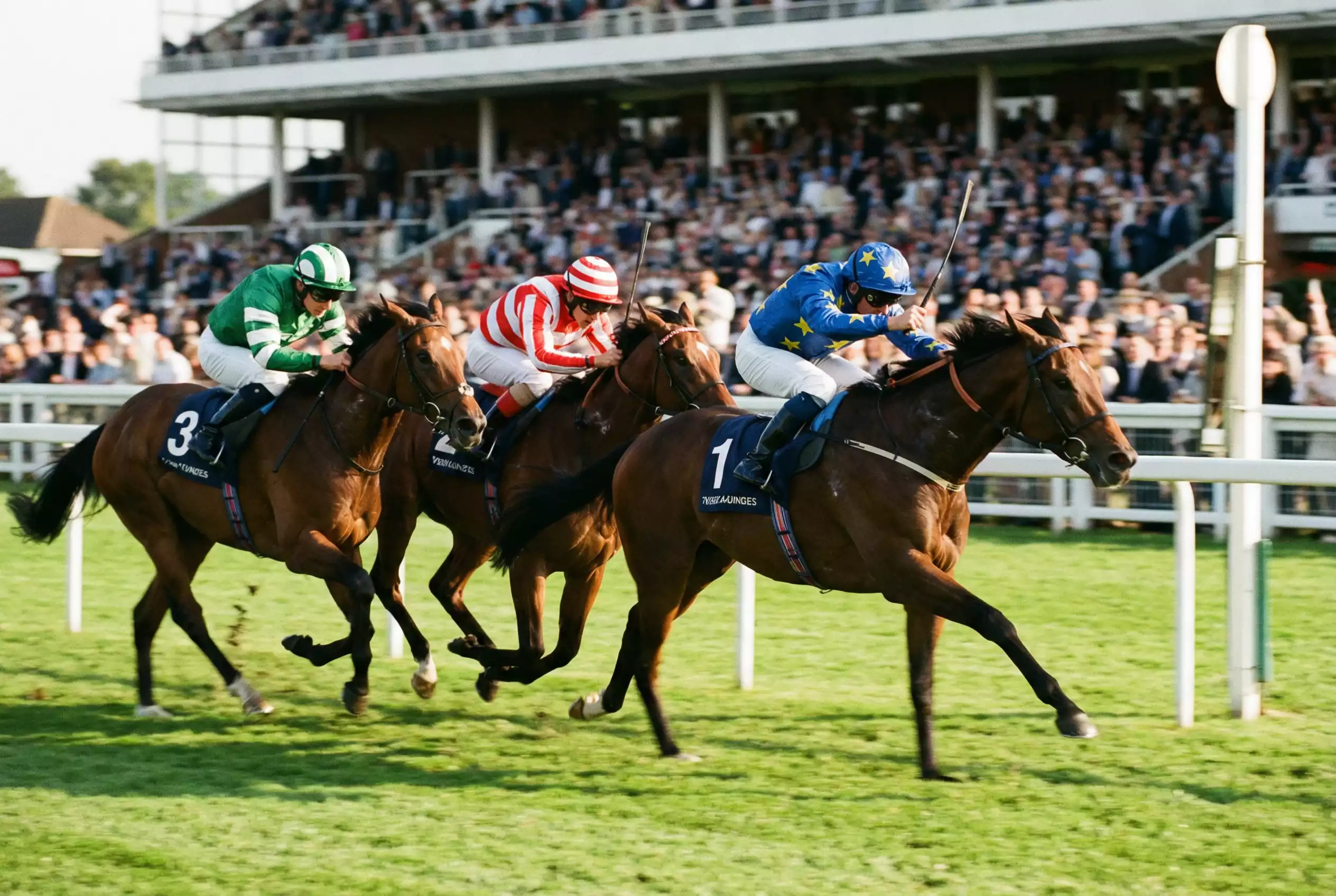
Introduction
Forecast and tricast bets ask you to predict not just which horses will perform well, but the exact order in which they’ll finish. A winning forecast requires naming the first and second horses in sequence. A tricast extends that challenge to first, second, and third. The difficulty multiplies accordingly, but so do the potential rewards.
These bets occupy a distinct niche in British racing. The BHA has characterised racing as the UK’s second largest sport behind football in respect of attendances, employment, and revenues generated annually, and that scale supports the diverse betting markets these wagers require. Around 22.5 million adults in Britain place a bet each month according to YouGov research for the Betting and Gaming Council, and a meaningful portion of that activity involves these order-based wagers.
The dividends can be substantial. Where a simple win bet might return 4/1, a straight forecast linking that same horse with a second selection could pay 20/1 or considerably more depending on the prices involved. Tricasts regularly produce three-figure returns from modest stakes. Understanding the variations available and when each makes sense opens up a different dimension of racing betting.
Forecast & Tricast Bets Explained — More on this topic at horse racing bets explained.
Straight Forecast
A straight forecast requires you to name the first and second finishers in the correct order. If you select Horse A to win and Horse B to finish second, exactly that must happen for the bet to pay. Horse B winning with Horse A in second produces a losing slip.
The payout is calculated using the Computer Straight Forecast, a formula based on the Starting Prices of both horses. The CSF dividend appears after the race and reflects how difficult the result was to predict. Two short-priced favourites filling the first two places generates a modest dividend. A combination involving a longer-priced runner produces significantly better returns.
Consider a race where you fancy a 5/1 shot to win and a 3/1 chance for second place. If both oblige in that order, the CSF might return somewhere around 25/1 to 30/1 depending on how the rest of the field priced up. The exact dividend varies because it’s calculated from the actual SP market, not predetermined odds.
Straight forecasts work best when you have a strong opinion about both positions. Perhaps you’ve identified a horse that excels at getting to the front but lacks the speed to hold off a closer, and you’ve also spotted a horse that finishes strongly but starts slowly. Pairing them as first and second in that configuration represents a specific race-reading judgement rather than a generic two-horse combination.
The minimum stake for forecasts typically sits at a pound or less, making them accessible for punters who want exposure to bigger potential returns without significant outlay. That accessibility partly explains their enduring popularity despite the inherent difficulty of predicting exact finishing positions.
Rules from the Tattersalls Committee govern how forecast dividends are calculated and settled, providing consistency across all licensed bookmakers in Britain.
Reverse Forecast
A reverse forecast covers both possible orderings of your two selections. You’re backing Horse A first with Horse B second, and simultaneously Horse B first with Horse A second. Whichever way round they finish, provided they occupy the top two positions, you win.
The cost doubles because a reverse forecast is effectively two straight forecasts combined. A £1 reverse forecast costs £2 in total. If one of the two configurations wins, you receive the CSF dividend for that particular combination. The losing half of the bet simply fails.
This structure suits punters who fancy two horses to dominate but lack certainty about which will prevail. Perhaps both are strong travellers who tend to dispute the lead, or both are closers who tend to arrive together at the finish. The reverse forecast removes the need to decide which edges out the other.
The mathematics remain attractive despite the doubled stake. If a straight forecast would pay 30/1 and you’ve staked £1 each way on the reverse, your total outlay is £2. Winning on one half returns £30 plus your £1 stake on that portion, giving you £31 from a £2 investment. The winning return still represents excellent value, just calculated against the full cost rather than the half that won.
Reverse forecasts become particularly appealing in smaller fields where fewer runners compete for the places. In a six-horse race, having two selections cover first and second positions between them represents a reasonable prospect. In a twenty-runner handicap, the same proposition becomes substantially harder despite the higher potential dividend.
Combination Forecast
Combination forecasts expand the concept to three or more selections. You’re backing any two of your chosen horses to finish first and second in either order. With three selections, that creates six possible winning combinations. With four selections, twelve permutations. The stake multiplies accordingly.
A three-horse combination forecast works like this: Horse A first, Horse B second; Horse A first, Horse C second; Horse B first, Horse A second; Horse B first, Horse C second; Horse C first, Horse A second; Horse C first, Horse B second. Six straight forecasts bundled together. A £1 stake becomes a £6 total outlay.
The appeal lies in flexibility when you’ve identified several contenders but can’t confidently pick which two will prevail. Perhaps the race features three horses from the same yard, or three specialists in the conditions, and you expect at least two to fill the places. The combination forecast captures any pairing from your selection without requiring exact prediction.
Cost escalates quickly with more selections. Four horses generate twelve permutations, so a £1 unit stake costs £12. Five horses produce twenty combinations at £20 per unit stake. The mathematics starts working against you unless the expected dividends justify the outlay. Most punters limit combination forecasts to three or four selections where the expense remains manageable.
Some bookmakers offer combination forecasts as a single bet type, automatically calculating the permutations. Others require you to place the constituent straight forecasts individually. Either approach produces the same result, but the bundled version saves effort when constructing the bet.
Tricast Bets
Tricasts raise the difficulty by requiring first, second, and third in exact order. The challenge is substantial: you must correctly identify three horses and predict precisely how they’ll finish relative to each other. The dividends reflect this difficulty, regularly reaching into three figures from pound stakes.
Availability is limited compared to forecasts. Tricasts are generally offered only on handicaps with eight or more runners, where the larger field creates genuinely competitive racing across the first three positions. Non-handicap races with smaller fields rarely feature tricast betting.
The Computer Tricast calculation works similarly to the CSF but accounts for the third horse’s Starting Price as well. A tricast involving three outsiders can produce extraordinary returns, sometimes exceeding 1000/1. Even combinations featuring a favourite in first often pay 50/1 or more when the minor placings involve less fancied runners.
Combination tricasts follow the same principle as combination forecasts but across three positions. Selecting four horses to fill the first three places in any order creates twenty-four permutations. Five horses generate sixty combinations. The stake requirements grow rapidly, but the potential returns do too if an unexpected combination lands.
Strategy for tricasts often focuses on competitive handicaps where the form book suggests several horses have realistic winning chances. Big-field races like the Cambridgeshire, Cesarewitch, or major Saturday handicaps draw punters seeking tricast value precisely because predicting the exact three-horse sequence is so difficult that even modest stakes can generate substantial returns.
Forty-seven percent of UK adults participate in some form of gambling according to Gambling Commission data, and tricast betting represents the ambitious end of that spectrum. These aren’t bets for the cautious or those seeking regular small wins. They’re designed for punters happy to accept many losing attempts in exchange for occasional substantial paydays.
See also Lucky 31 & Lucky 63 Explained.
