
 Available in US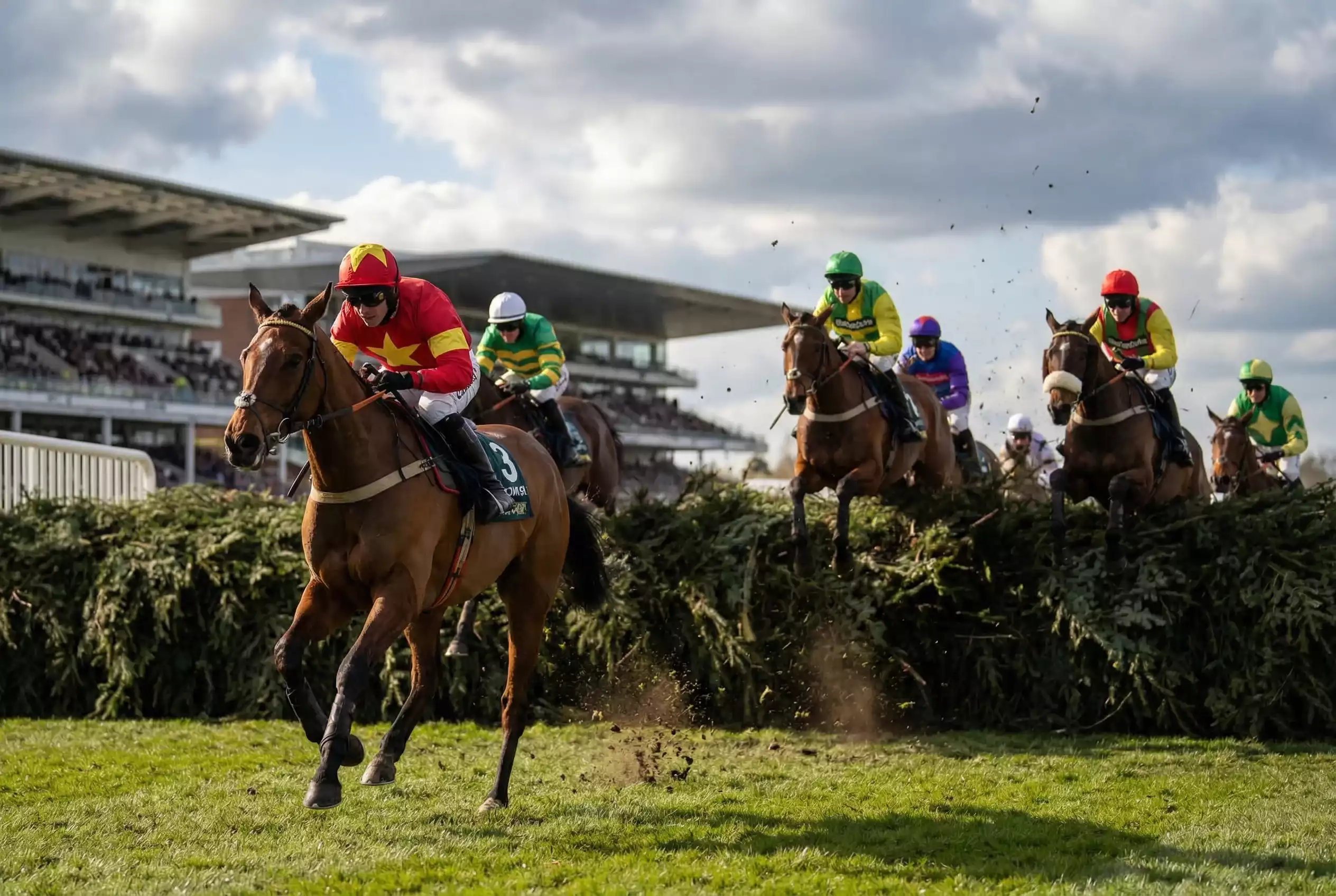
Once a year, Britain becomes a nation of punters. The Grand National draws in people who wouldn’t know one end of a horse from another, alongside serious students of the form book, and deposits them all into the same betting queues. Expected turnover for the 2026 race exceeds £200 million—a figure that dwarfs any other individual race in British racing by an almost absurd margin. According to Entain Group data, the National attracted 700 percent more bets than the Cheltenham Gold Cup, its nearest competitor in the betting stakes.
This unique status creates equally unique betting dynamics. The race features up to thirty-four runners tackling four miles and two furlongs over thirty jumps, including the infamous Becher’s Brook and The Chair—the field was reduced from forty horses in 2024 to improve safety. Non-runners are common in the weeks before the race, which affects ante-post punters significantly. The huge field triggers special each-way terms that make this race among the most generous in the calendar for place bettors. And the sheer volume of casual money entering the market can create value in unexpected places.
What follows covers the essentials: understanding National place terms, selecting horses on more than name appeal, and maximising the promotional offers that bookmakers throw at this flagship event.
Grand National Betting Guide — More on this topic at horse racing bets explained.
Grand National Place Terms
Standard British place terms award four places at quarter odds for handicaps with sixteen or more runners. The Grand National exceeds this threshold substantially—up to thirty-four runners is typical since the 2024 field reduction—so four places at 1/4 odds represents the baseline. Most punters have heard this much. What fewer appreciate is how aggressively bookmakers enhance these terms specifically for the National.
During the National build-up, you’ll see firms advertising five, six, or even seven places each-way. The variations matter more than they might appear. At five places, you’re covering horses finishing anywhere in the top eighth of the field. At seven places, you’re covering nearly a fifth of runners—a substantial safety net when backing a 25/1 shot with realistic place claims.
The fractions vary too. Most enhanced-place offers retain quarter odds (1/4), but some operators drop to fifth odds (1/5) in exchange for additional places. The mathematics favour different approaches depending on your selection’s price. For horses at 20/1 or longer, additional places at 1/5 odds typically return more than fewer places at 1/4 odds. For horses between 8/1 and 16/1, the fraction becomes more significant because the place portion represents a larger share of potential returns.
Comparison is essential. Don’t assume your regular bookmaker offers the best National terms simply because they’re good for everyday racing. Shop around in the week before the race, noting which operators extend to maximum places, which retain quarter odds throughout, and which apply stake caps to enhanced terms. Some of the headline offers have small print restricting maximum stakes to modest amounts, which defeats the purpose if you’re planning a serious wager.
One practical note: enhanced place terms typically apply to win-market prices, not forecast prices. If you back a horse each-way and it drifts significantly between your bet and the off, you’ll receive the place payout based on your original price—which might differ from both Starting Price and any enhanced SP offers that apply to win bets only.
Selecting Your Horse
Here’s an uncomfortable truth: according to OLBG survey data, 51 percent of British punters choose their Grand National horse based primarily on its name. This approach has a certain charm—and occasionally produces winners—but it’s not a long-term strategy for profit.
The National makes unique demands. Four and a quarter miles over those distinctive spruce fences tests stamina, jumping technique, and the ability to handle a packed field at racing pace. Certain factors separate genuine contenders from also-rans.
Weight
The Grand National is a handicap, meaning the official rating translates into pounds carried. Top weights lug over eleven stone; bottom weights carry around ten stone. Historical analysis suggests that horses carrying between ten stone four and eleven stone perform best. Much below ten stone four often indicates insufficient class; much above eleven stone means overcoming a genuine burden over this distance. Check where your selection falls in the handicap before committing.
Age and Experience
Eight to ten-year-olds dominate National results. Younger horses may lack the seasoning these fences demand; older horses may lack the constitution to deliver peak performance over this distance in spring. Previous National experience correlates positively with performance—horses who have completed the course understand what’s coming, while first-timers face a learning curve measured in unpredictable jumping.
Jumping Record
Falls and unseats in previous chases should raise immediate concern. The National isn’t the place for rehabilitation. Look for horses with clean jumping records over fences, particularly at Aintree if any form exists over the National course. The Grand Sefton over the National fences in November provides relevant form lines for the following spring.
Stamina
Proven ability beyond three miles matters enormously. Horses winning over two and a half miles at pace don’t automatically stay this trip under pressure. Check for previous wins at three miles plus, or for breeding that suggests stamina (sire/dam performance over marathon distances).
Beyond these fundamentals, ground preference influences chances significantly. The National can be run on anything from good to heavy depending on spring weather. Match your selection’s ground preferences to the conditions on the day, and be prepared to adjust if declarations-day brings surprises.
Grand National Offers
Bookmakers treat the Grand National as a marketing battleground. The promotions available during National week typically exceed anything else in the racing calendar—and combining them intelligently can shift the odds meaningfully in your favour.
Non-Runner No Bet
NRNB applies ante-post bets, returning your stake if your selection doesn’t run. Standard ante-post betting means stakes lost on non-runners—problematic for a race where withdrawals are common right up to final declarations. NRNB offers peace of mind, though prices are typically shorter than standard ante-post.
Faller Insurance
Several operators refund stakes (as free bets or cash) if your selection falls, is brought down, or unseats its rider. Given the National’s history of incidents at the big fences, this represents genuine insurance. Check the specific terms: some apply only to falls, others include unseats and brought down. The definition matters if your horse is eliminated by another runner’s error rather than its own.
Money Back Second/Third
Refunds if your horse finishes second to the favourite, or in some cases second or third regardless of what wins. The practical value depends on your selection—backing a short-priced contender makes this offer less relevant because favourites rarely finish second. For longer-priced selections, it provides a consolation on near misses.
Enhanced Places
Discussed above, but worth emphasising: these offers stack with faller insurance on some sites. Backing each-way with seven places and faller insurance effectively gives you a refund trigger if your horse doesn’t complete and a place payout if it finishes anywhere near the front. The combination reduces variance considerably.
Most casual National punters use their regular bookmaker without comparison. According to Entain data, 82 percent of cash bets placed at £5 or under don’t warrant extensive shopping, perhaps. But if you’re staking more seriously, spending an hour comparing terms across six or eight operators before placing your bet pays dividends—sometimes literally.
See also Royal Ascot Betting Guide.
