 Available in US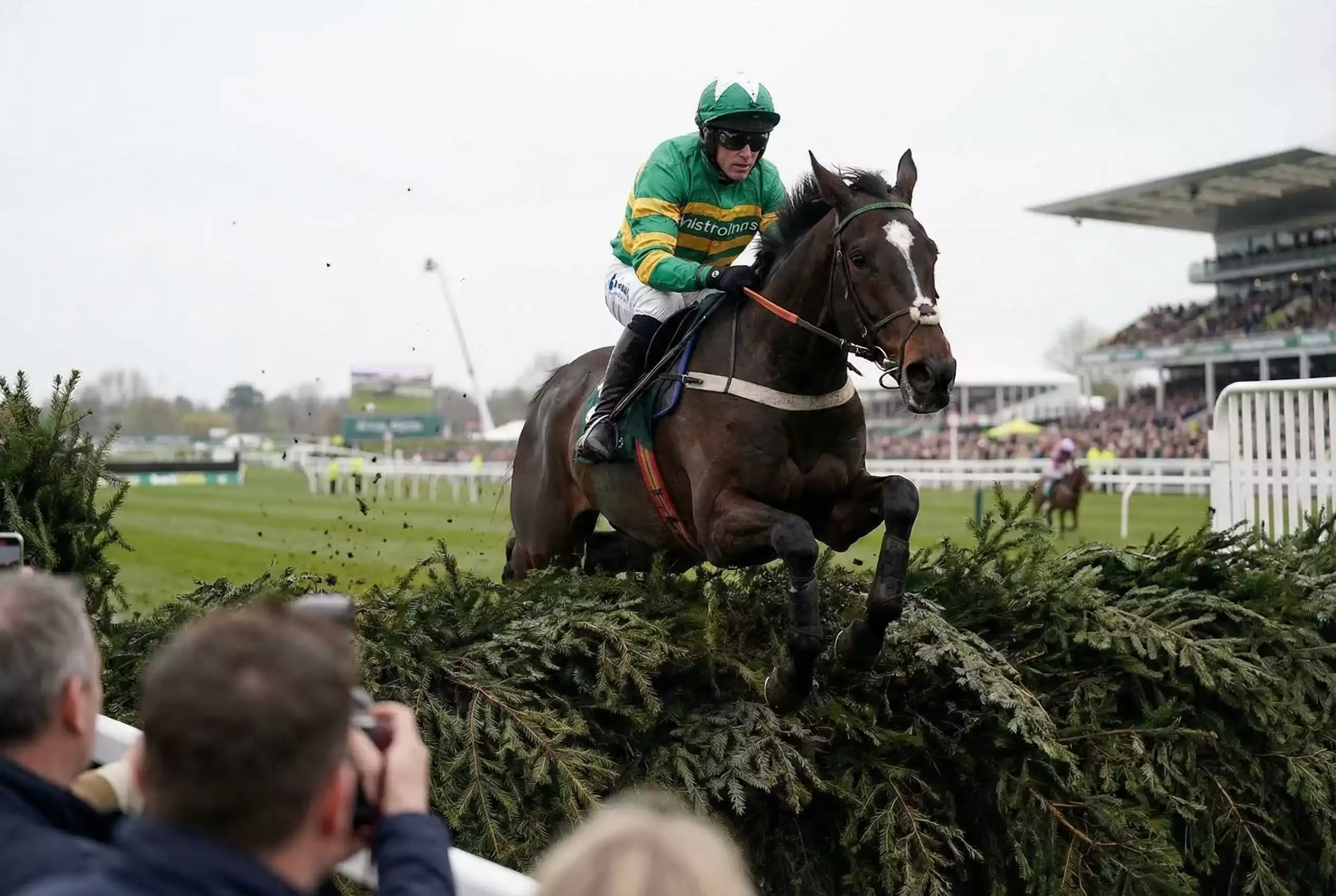
Introduction
Promotional refund offers have become a staple of UK betting, providing partial protection against near-misses and race incidents. Money back if your horse finishes second, faller insurance for jumps racing — these promotions reduce the sting of losing bets while enhancing engagement with specific races.
The Grand National exemplifies this promotional intensity. With expected betting turnover exceeding £200 million and around 30% of participants identified as newcomers or returning punters, bookmakers compete aggressively to capture this once-a-year audience. “Without a doubt, the Grand National is the greatest sporting event in the UK,” as Entain noted, explaining why operators offer enhanced protections that would be commercially unsustainable across everyday racing.
Understanding how these offers work, where genuine value exists, and which terms to watch for transforms promotional exploitation from haphazard to systematic. The savvy punter uses refund offers strategically rather than simply accepting whatever a bookmaker happens to promote.
Money Back & Faller Insurance — More on this topic at horse racing bets explained.
Money Back If 2nd or 3rd
Money-back offers on placed horses typically return your stake as a free bet if your selection finishes second to the favourite, or sometimes second or third regardless of which horse wins. The precise terms vary by bookmaker and promotion, making careful reading essential.
“Money back if second to the favourite” is the most common variant. You back a horse to win; if it finishes second and the favourite wins, your stake returns as a free bet. This offer carries genuine value when backing horses you expect to place highly against a strong market leader. The insurance effectively converts a losing bet into a second chance.
The mathematics favour certain selection types. Horses priced between 5/1 and 15/1 facing a short-priced favourite represent the sweet spot. At these odds, your horse has a realistic place chance but limited win expectation against dominant opposition. The money-back offer hedges against the most likely losing scenario — your horse runs well but cannot beat an odds-on shot.
Some promotions extend to “money back if beaten by a head” or “money back if second.” These broader offers apply regardless of which horse wins, providing protection in tight finishes generally rather than specifically against favourite victories. The value increases correspondingly, though bookmakers typically offer these terms only on selected high-profile races.
Timing matters. Money-back offers often appear for specific races rather than across all racing. Festival meetings, major handicaps, and televised Saturday cards attract the most generous terms. Planning your betting around these promotions concentrates your activity where refund protection exists.
Watch for exclusions. Some money-back offers don’t apply to each-way bets, limiting their utility for place-focused punters. Others exclude bets placed at certain odds ranges or cap the refundable stake. The headline offer rarely tells the complete story.
Faller Insurance for Jumps Racing
Faller insurance addresses a specific National Hunt hazard: your horse might be travelling well only to fall, unseat its rider, or be brought down by another horse’s misfortune. Standard bets on fallers lose. Faller insurance returns your stake when horses fail to complete through jumping errors rather than lack of ability.
The Grand National generates the most faller insurance activity. With 30 fences over four miles and a maximum field of 40 runners, completion is never guaranteed regardless of a horse’s quality. Bookmakers routinely offer faller insurance on the National, recognising that casual punters — 30% of whom are betting for the first time or returning — find particular frustration in losing to jumping incidents rather than honest defeat.
The terms typically cover falls, unseated riders, and brought-down horses. Refusals and pulled-up horses usually don’t qualify — these represent horse or jockey decisions rather than jumping accidents. The distinction matters in races like the National, where some horses are pulled up when the pace proves too demanding without ever approaching a fence unsafely.
Cheltenham Festival races attract similar offers, particularly the cross-country events and longer chases where jumping errors accumulate. The value of faller insurance correlates with the number of obstacles and historical completion rates for each race type.
Strategic application focuses on horses with jumping concerns at attractive odds. A strong galloper with occasionally sketchy jumping represents a classic faller-insurance target. Without the promotion, the jumping risk deters commitment. With faller insurance, the stake returns if the jumping lets the horse down, while a clean round delivers the full win potential.
Refund format affects value. Faller insurance returning cash rather than free bets provides genuine loss mitigation. Free bet returns create a second betting opportunity but don’t constitute equivalent value — the free bet stake typically isn’t returned with winnings, and the odds on your next selection may not match the original bet.
Evaluating Promotional Value
Not all refund promotions carry equal value. Evaluating offers systematically prevents promotional noise from distorting sensible betting decisions. Several factors determine whether a refund offer genuinely enhances expected value or merely provides psychological comfort while marginally affecting outcomes.
Free bet returns versus cash returns represent the most significant distinction. Cash refunds provide pound-for-pound loss mitigation. Free bet refunds require conversion through subsequent betting, typically retaining 70-80% of face value after reasonable turnover. A £10 cash refund equals £10; a £10 free bet equals roughly £7-8 in expected value.
Maximum stake limits cap promotional benefit. A “money back up to £25” offer provides different value than “money back up to £100.” Higher-staking punters may find promotional value diluted when their typical bet size exceeds the qualifying maximum.
Qualifying bet restrictions narrow the pool of eligible wagers. Some promotions require minimum odds thresholds, excluding short-priced selections. Others specify win-only bets, rendering each-way backing ineligible. A few require bets to be placed at specific times or through particular platforms. Checking these restrictions before betting avoids discovering ineligibility at settlement.
Promotional odds sometimes differ from standard odds. Bookmakers occasionally offer enhanced prices alongside refund promotions, making direct comparison complex. A horse at 8/1 with faller insurance might represent better value than 10/1 without, depending on completion probability and expected refund conversion.
OLBG surveys indicate that around 30% of punters planning to bet on the Grand National expect to wager less due to inflation and rising living costs. In this context, promotional offers that stretch betting budgets through refund protection gain particular relevance — though only when the underlying terms deliver genuine value rather than marketing theatre.
Combine refund offers where possible. A horse qualifying for both faller insurance and extra places provides multiple layers of protection. If it falls, the stake returns. If it completes but only places fifth or sixth, the extra places pay out. The combination reduces the scenarios resulting in total loss while maintaining full upside on clean round victories.
Track promotional performance over time. Keep records of refunds triggered, conversion rates on free bets, and net impact on returns. This data reveals which bookmakers consistently offer worthwhile promotions versus those whose terms regularly disappoint. Promotional evaluation, like selection analysis, improves with systematic record-keeping.
The best approach treats refund offers as a bonus rather than a primary betting driver. Select horses on merit, then check which bookmaker offers the strongest promotional protection for that selection. Letting promotions dictate selections inverts the proper decision hierarchy. Value comes from backing the right horse with the right bookmaker, not from chasing offers that happen to be available regardless of the underlying bet quality.
See also Cheltenham Festival Betting Guide.
